Introduction: Challenges in Lung Cancer Research
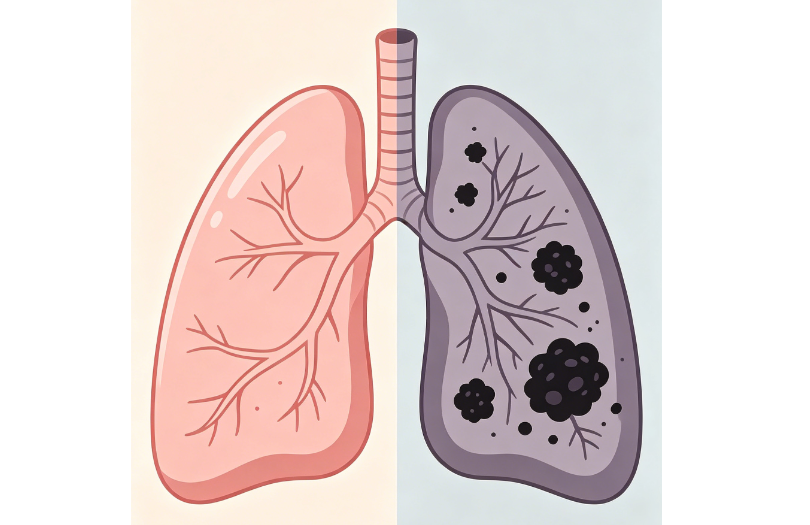
·High Heterogeneity: A Barrier to Precision Therapy
Tumor cells exhibit marked inter-individual differences in gene expression and phenotype. Patients with the same pathological type respond vastly differently to the same drug, making standard treatment regimens fail to deliver expected therapeutic outcomes.
·Complex Microenvironment: Barrier to Drug Penetration
Stromal cells, immune cells and extracellular matrix inside tumors form dense physical and biochemical barriers, which not only hinder effective drug delivery, but also attenuate anti-tumor immune responses via immunosuppression.
·Rapid Drug Resistance: Limited Therapeutic Duration
Tumor cells possess strong adaptive evolutionary capacity. They rapidly undergo epigenetic alterations or gene mutations under drug pressure, resulting in rapid failure of targeted drugs after short-term remission, which has become a major dilemma in clinical treatment.
Come take a look
Today we will conduct a comprehensive analysis of lung cancer models to advance research and clinical understanding.
Classification, Characteristics and Construction of Lung Cancer Models
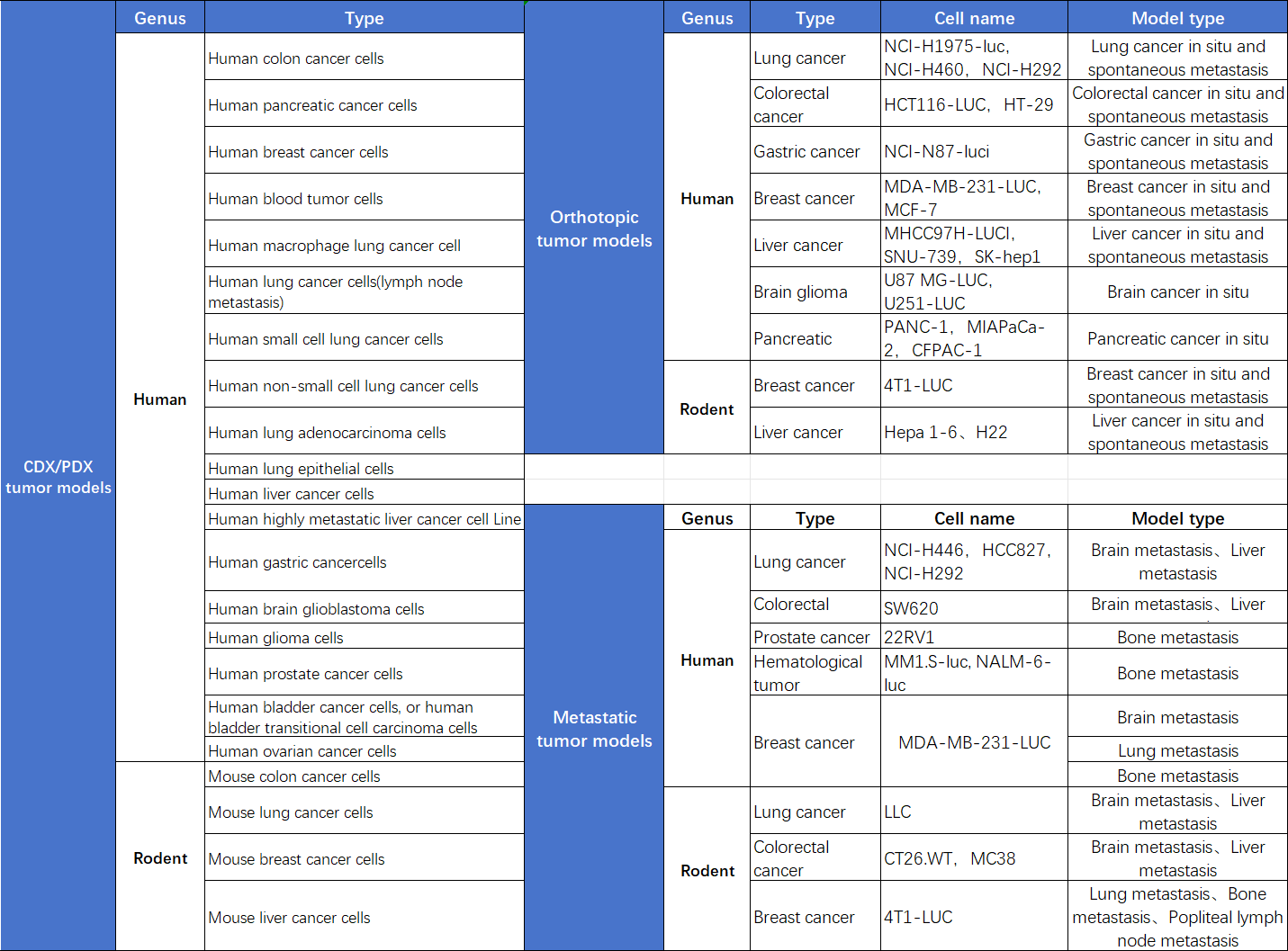
In Vivo Models:These model systems are established by transplanting tumor tissues or cells into live laboratory animals, mainly including CDX (cell line-derived xenograft), PDX (patient-derived xenograft), GEMM (genetically engineered mouse model) and humanized mouse models. Serving as a critical bridge linking in vitro experiments and clinical applications, they can truly recapitulate tumor growth, metastasis and drug response within a living physiological environment.CDX Model
1 Core Definition
Tumor cell lines subjected to long-term serial passage in vitro (e.g., A549 lung cancer cells) are subcutaneously or orthotopically implanted into immunodeficient mice (nude mice, NOD-SCID mice, etc.) to allow tumor proliferation in the host. It is the most mature and widely adopted basic in vivo model in current drug research and development.
2 Technical Advantages and Limitations
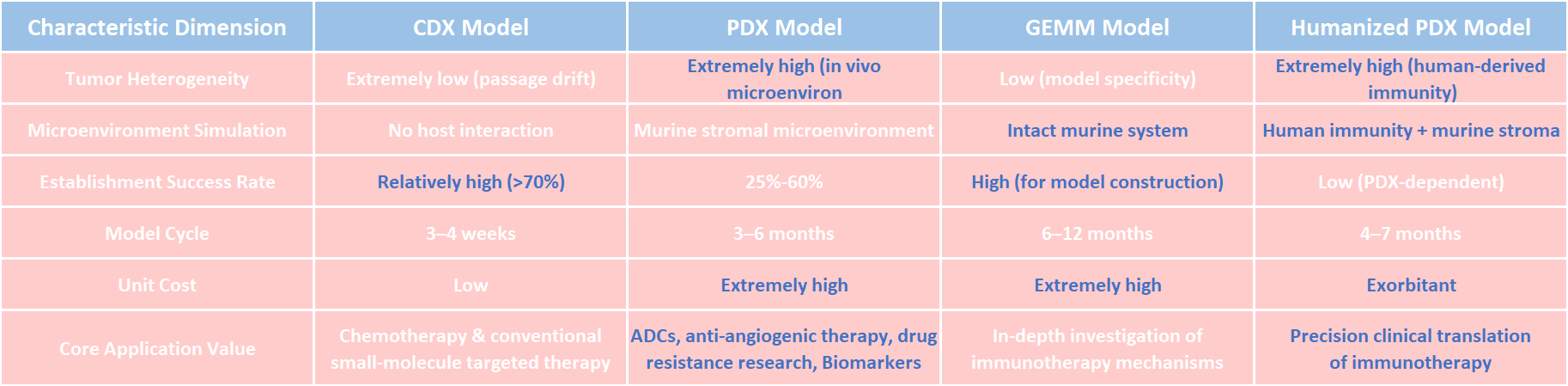
It features a short construction cycle (2–4 weeks), controllable costs and high experimental reproducibility. Nevertheless, it has obvious drawbacks: long-term in vitro culture triggers genotypic and phenotypic drift of cell lines, failing to fully recapitulate the heterogeneity of patient-derived tumors and the complexity of the tumor microenvironment.
3 Clinical Translation Value
It is commonly used for preliminary in vivo efficacy screening of candidate anti-tumor drugs, exploration of drug resistance mechanisms and drug dose optimization. In addition, it can be applied to observe tumor growth kinetics and metastatic routes, and supply baseline data and experimental protocols for subsequent sophisticated PDX model studies.
PDX Model
1 Core Definition
This model is established by directly implanting fresh patient tumor tissues into immunodeficient mice. It fully preserves the genetic traits and microenvironment of primary tumors, acting as a vital bridge linking clinical practice and basic research.
·Essential feature: Xenotransplantation of human-derived tissues
Unlike traditional cell line transplantation, PDX models are directly derived from surgical or biopsy specimens from patients, which recapitulate the growth pattern and heterogeneity of human tumors to the maximum extent.
2 Clinical Value · Gold Standard in the Industry
·Most reliable for drug efficacy prediction
It is universally acknowledged as the gold standard model for predicting clinical drug responses. Its experimental results are highly correlated with actual patient outcomes, effectively lowering the clinical failure rate of new drug development.
·Passage capability and sample preservation
Successfully engrafted tumor tissues can be stably passaged among mice to build a living biobank, providing continuous and stable experimental materials for subsequent research on drug resistance mechanisms and combination drug screening.
3 Practical Challenges · Application Limitations
·Long construction cycle and excessive costs
Model establishment generally takes 3 to 6 months, with the cost of a single case reaching 20,000 to 70,000 US dollars. Such high thresholds restrict its wide application in large-scale drug screening.
·Absence of human immune system
Constructed on immunodeficient mice, the model lacks functional T and B lymphocytes. Accordingly, it cannot be adopted to evaluate the efficacy of novel immunotherapeutic agents such as immune checkpoint inhibitors.
Genetically Engineered Mouse Model (GEMM)
1 Core Definition
Cutting-edge gene-editing technologies (e.g., CRISPR/Cas9) are utilized to precisely introduce specific driver gene mutations for lung cancer (such as KRAS and TP53) into the germline genome of mice. These mice spontaneously develop lung adenocarcinoma or squamous cell carcinoma through a multi-stage progression highly analogous to human lung cancer. Breaking the limitations of traditional xenograft tumor models, it is currently the only animal model capable of simulating the entire natural progression of lung cancer from precancerous lesions to invasive tumors.
2 Core Research Value: Recapitulating Pathological Features and Immune Microenvironment
It fully recapitulates the spontaneous initiation, progression and metastasis of tumors in vivo. Meanwhile, it retains a complete murine immune system, making it the gold standard model for investigating crosstalk between tumors and host immunity, as well as evaluating the efficacy and mechanisms of novel therapies including immune checkpoint inhibitors.
3 Technical Challenges: Dual Barriers of Time and Cost
The model requires an extremely long construction period, with tumorigenesis monitoring lasting 6 to 12 months on average, and the construction cost for a single strain is excessively high. Furthermore, inbred mice have a relatively homogeneous genetic background, which cannot fully replicate the highly heterogeneous mutation spectrum and tumor microenvironment characteristics observed in human lung cancer patients.
4 Clinical Translation Significance
GEMMs serve as an indispensable bridge linking basic medical discoveries and the development of clinical therapeutic regimens. Despite the difficulties in construction and lengthy timeline, they possess irreplaceable unique advantages in verifying oncogene functions, screening targeted drugs and exploring combination therapeutic strategies, establishing a robust in vivo research platform for breakthroughs in precision medicine for lung cancer.
Humanized Mouse Model
1 Core Definition
·Immunodeficient mice plus human immune reconstitution: the essential foundation for establishing humanized PDX models
Human hematopoietic stem cells or peripheral blood lymphocytes are transplanted into severely immunodeficient mice to reconstruct a functional human immune system within the mouse body. This technology is frequently integrated closely with patient-derived xenograft (PDX) models, resolving the core drawback of conventional PDX models lacking a human immune microenvironment.
2 Unique Value in Clinical Translation
·The only in vivo platform for human cell interaction research: the gold standard for immunotherapy drug development
This model faithfully reproduces the dynamic in vivo crosstalk between human tumor cells and immune cells. It plays an irreplaceable role in the screening, efficacy evaluation and mechanistic exploration of immunotherapeutic agents such as PD-1/PD-L1 inhibitors and CAR-T therapy. It can reliably predict the potential efficacy of drugs in humans and markedly reduce the failure risks of clinical research and development.
3 Existing Limitations to Be Overcome
·High technical barriers and prohibitive costs; consistency of immune reconstitution needs further optimization
Model construction involves sophisticated hematopoietic stem cell transplantation and a prolonged reconstitution process, accompanied by high technical difficulty and extended experimental cycles. Besides, variations in immune reconstitution levels among individual mice may compromise the stability of experimental data. Moreover, exorbitant costs for model construction and animal housing restrict its widespread adoption in large-scale drug screening, constituting a major bottleneck in current preclinical research.
Comparative Analysis of Core Performance
Introduction to Subcutaneous and Orthotopic Lung Tumor Models
Subcutaneous Tumor Model
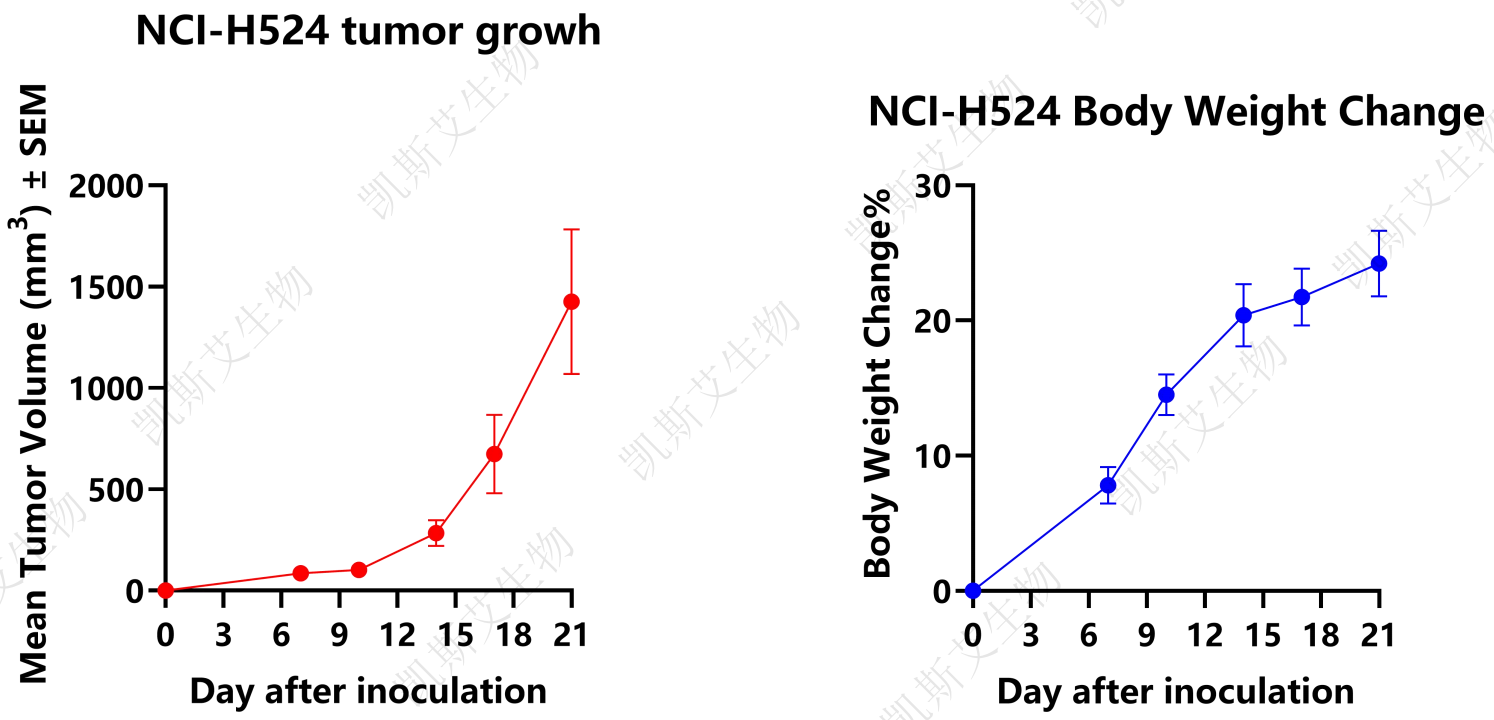
Small cell lung cancer: NCI-H524, NCI-H1048, NCI-H446, NCI-H69
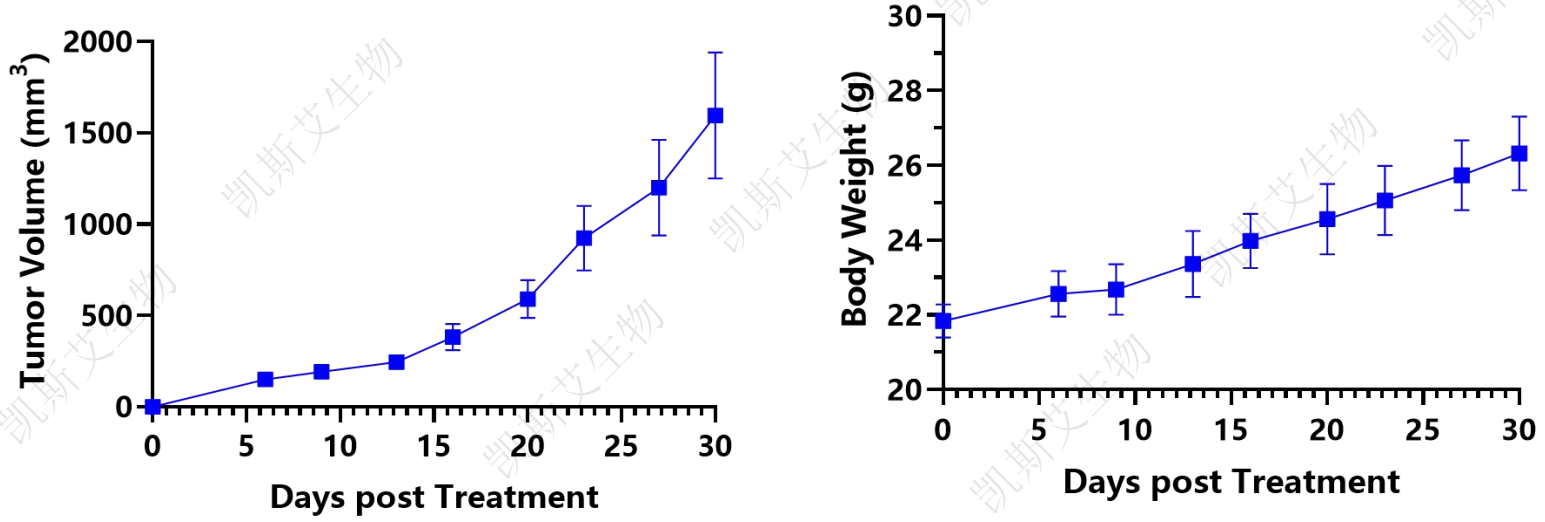
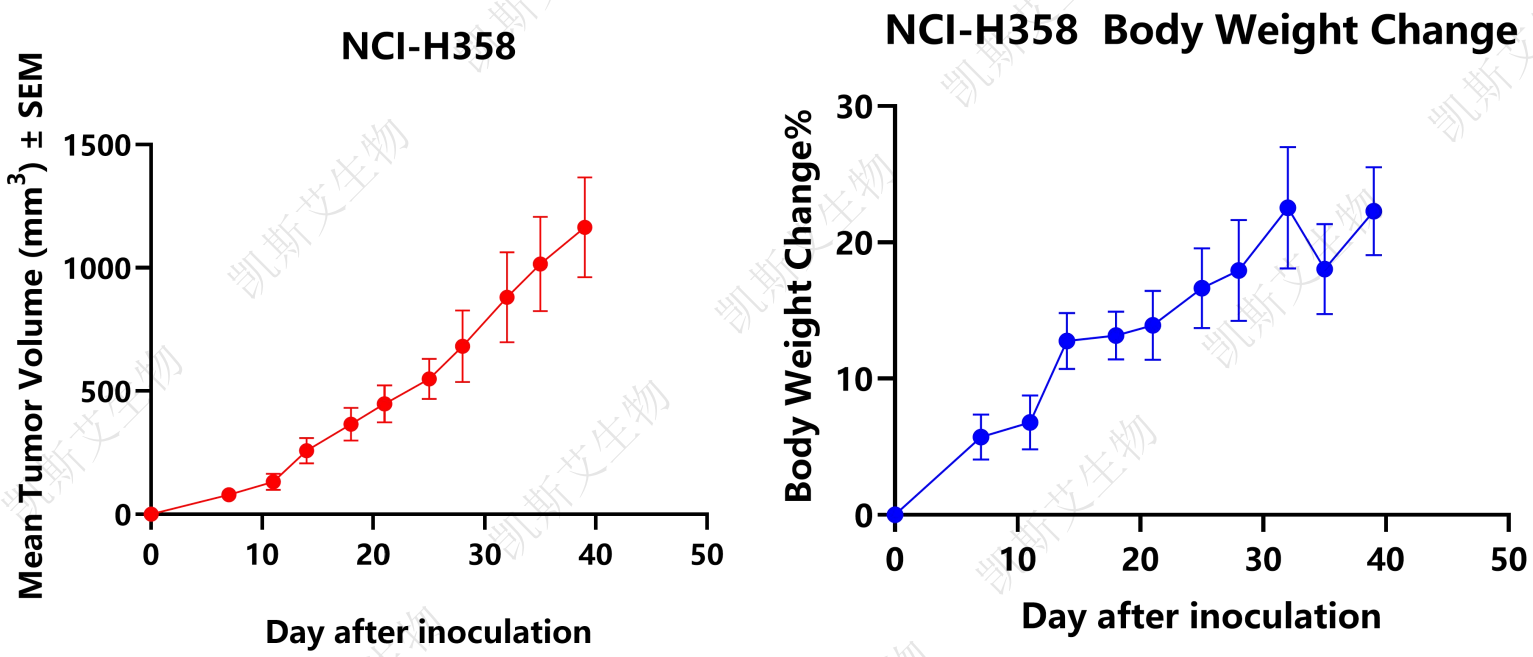
Non-small cell lung cancer: PC-9, NCI-H1975, NCI-H358
Orthotopic Tumor Model
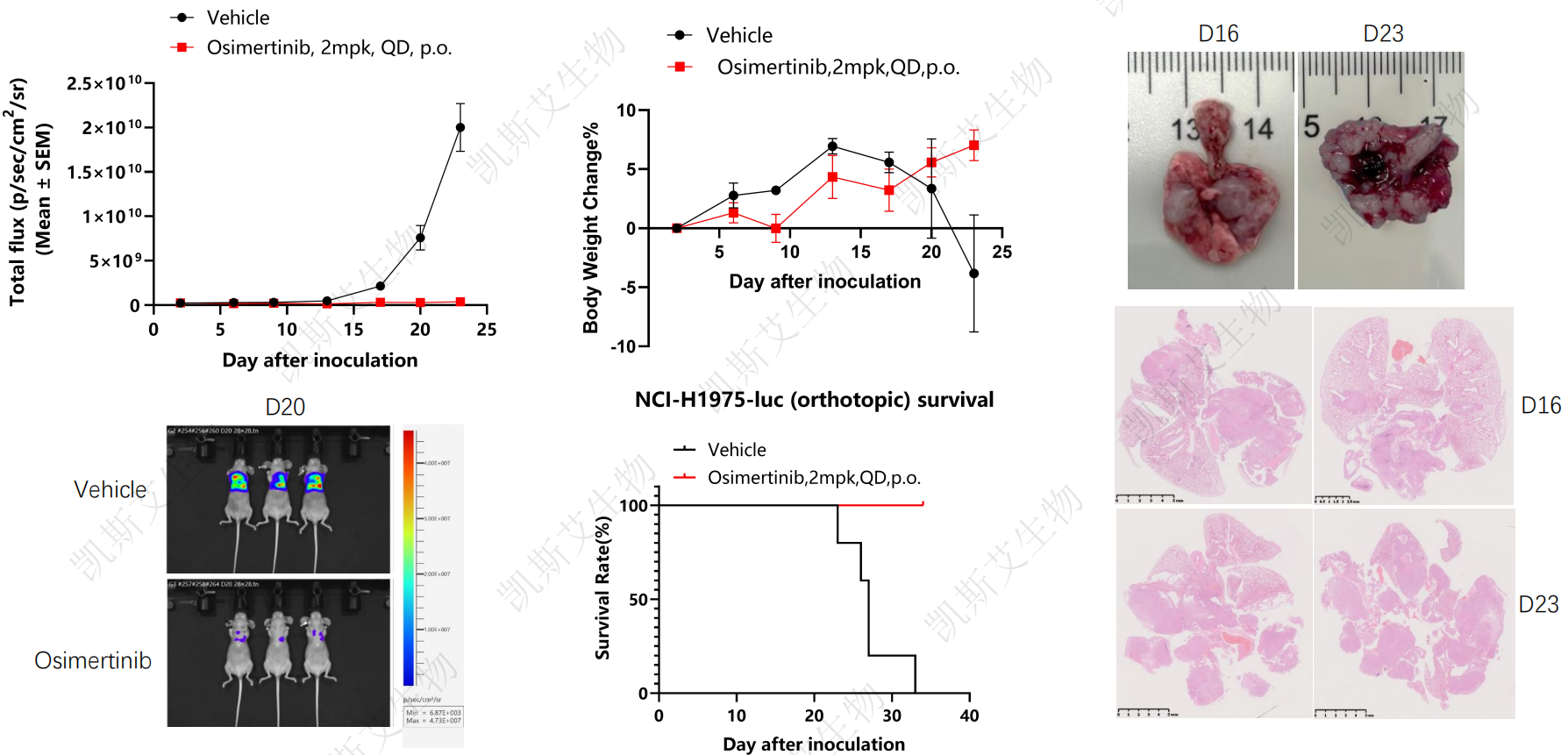
Non-small cell lung cancer: NCI-H1975-LUC
Data Presentation
·Subcutaneous tumor model of NCI-H1975 cell line
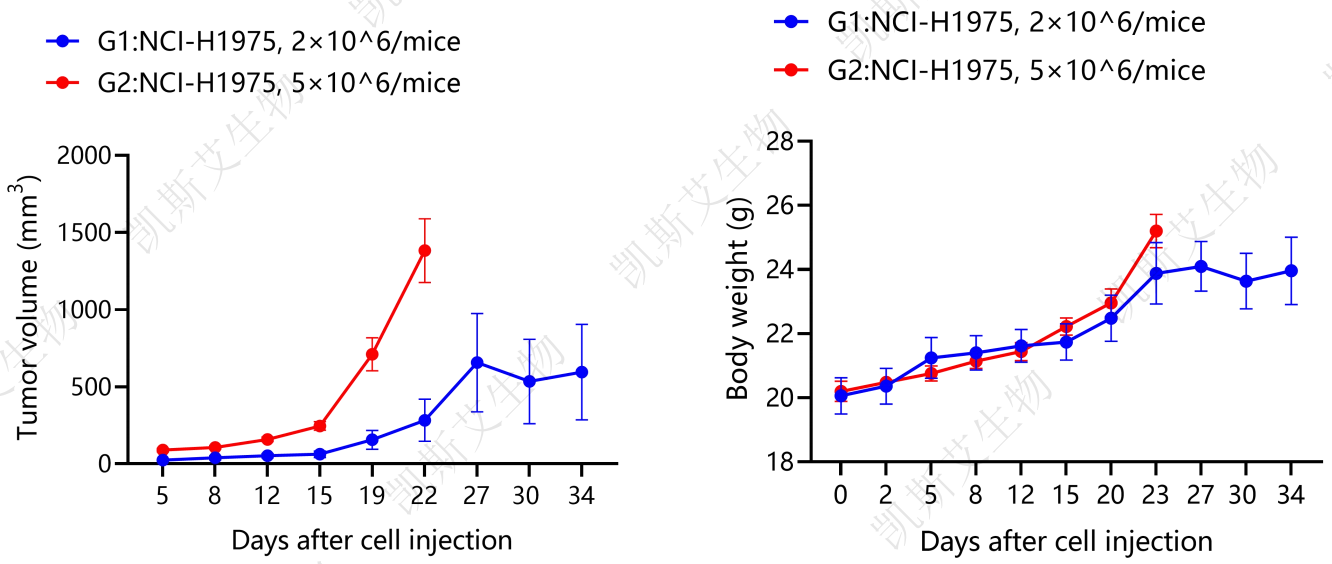
·Orthotopic lung cancer tumor model of NCI-H1975-LUC cell line
·Subcutaneous tumor model of PC9 non-small cell lung cancer
·Subcutaneous tumor model of NCI-H358 non-small cell lung cancer
·Subcutaneous tumor model of NCI-H524 small cell lung cancer
·Subcutaneous tumor model of NCI-H1048 small cell lung cancer
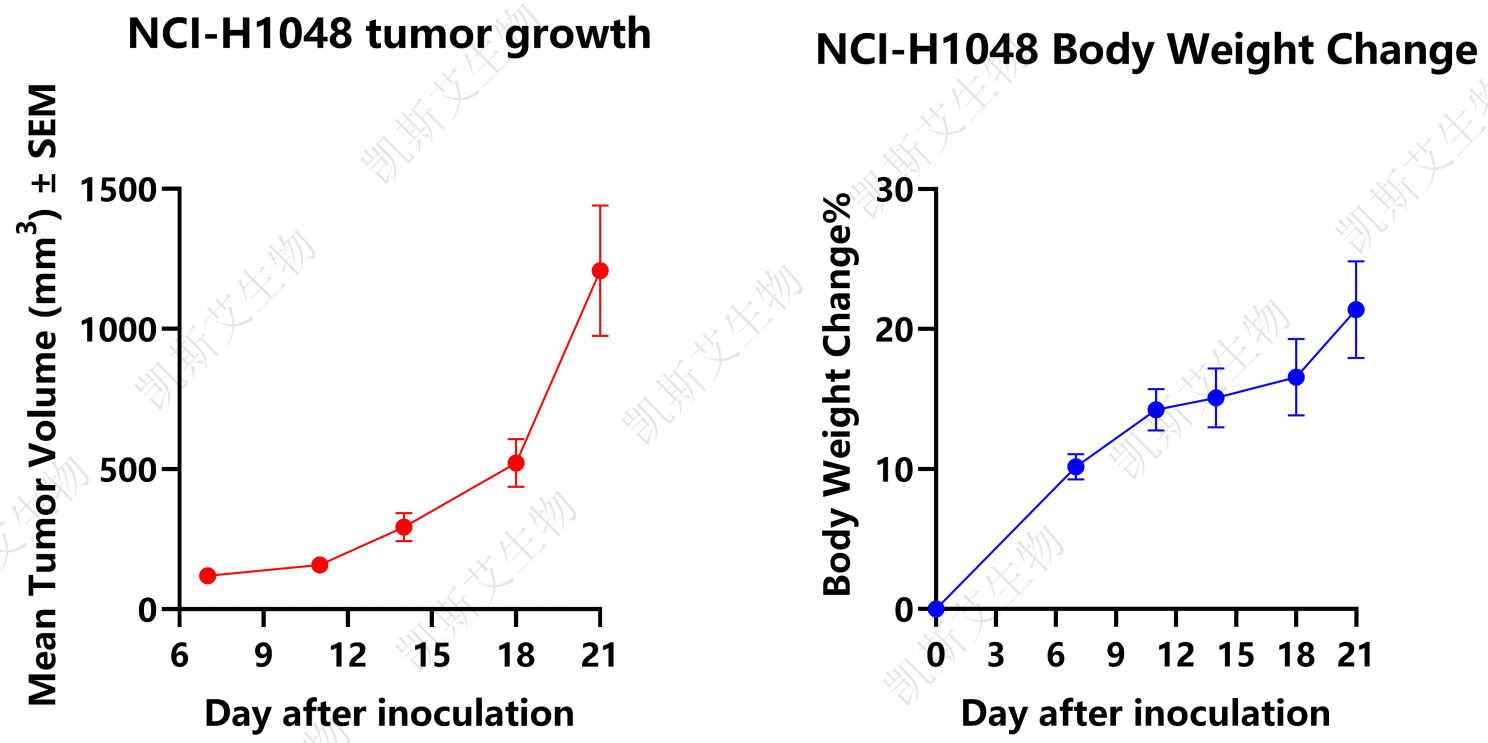
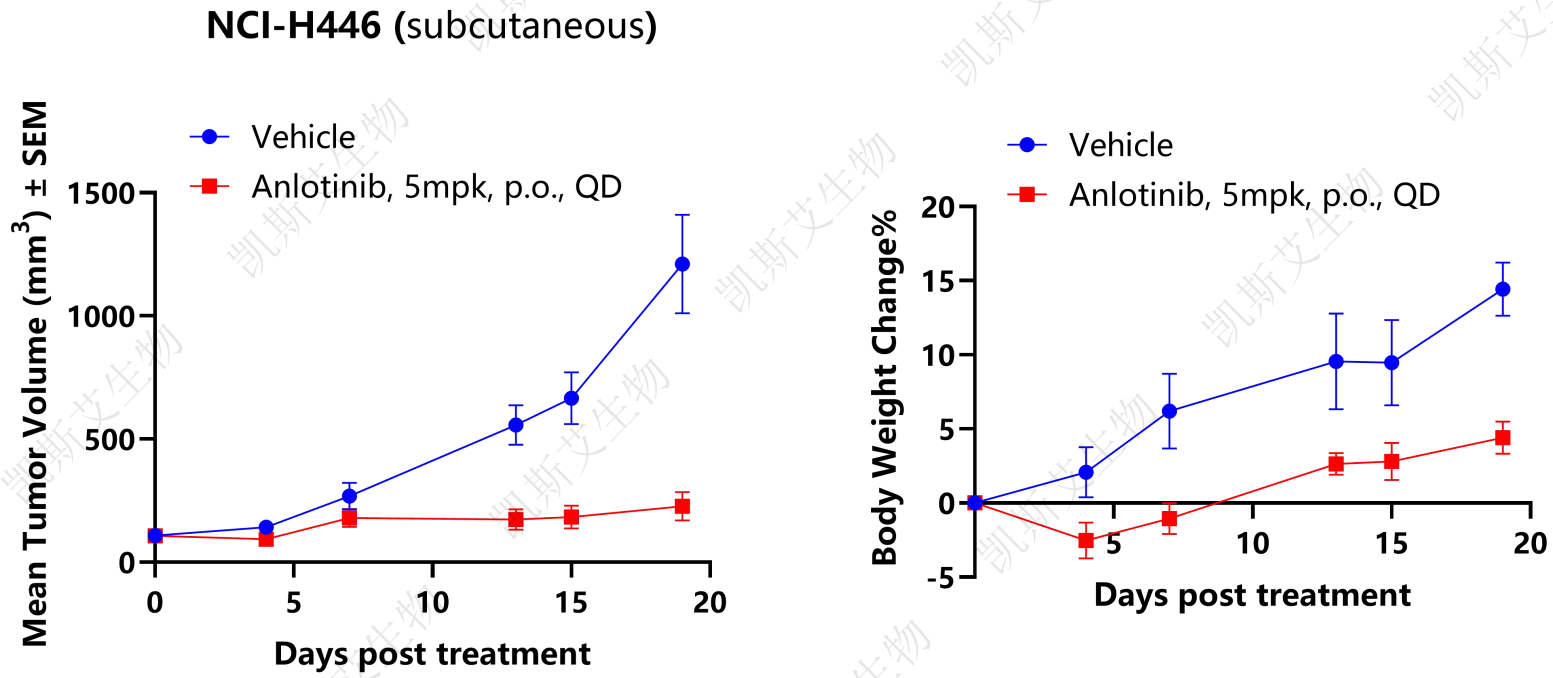
·Mouse subcutaneous tumor model of human small cell lung cancer NCI-H446
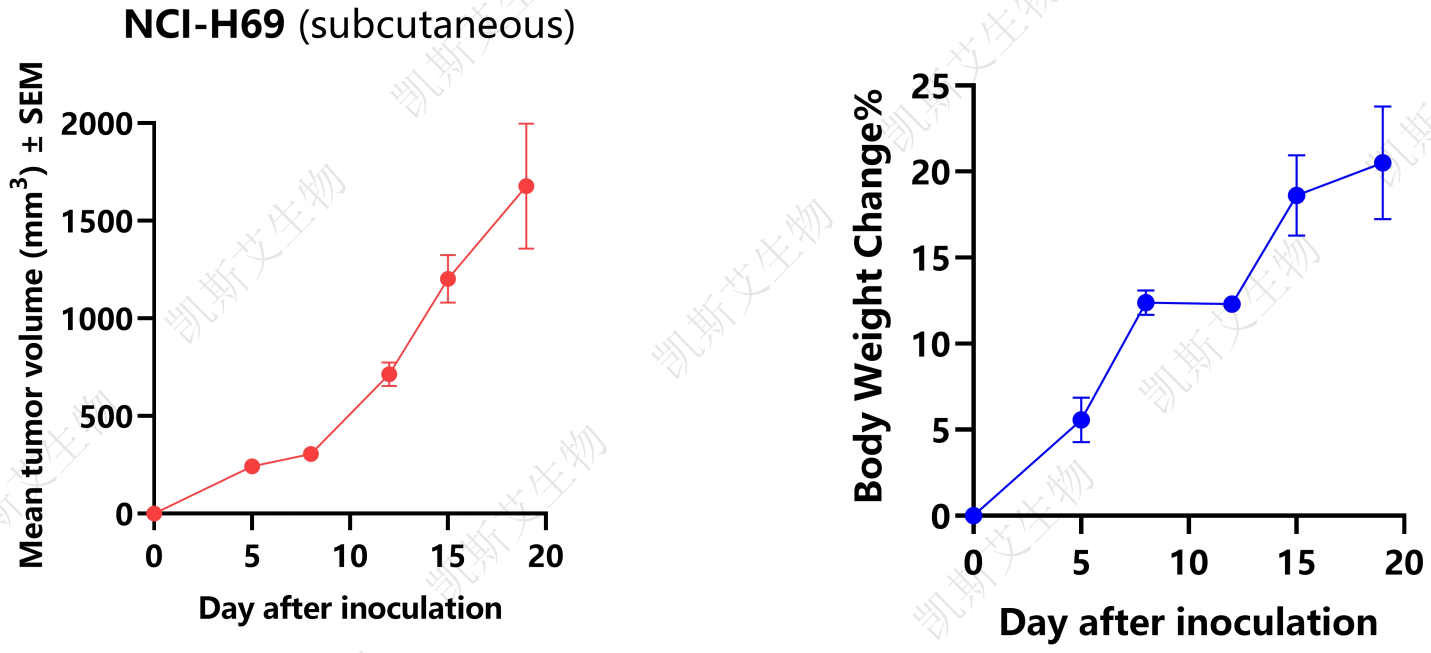
·Mouse subcutaneous tumor model of human small cell lung cancer NCI-H69
KCI・KMQ Tumor Pharmacology and Pharmacodynamic Evaluation Platform
KCI・KMQ has established more than 500 types of animal disease models to date. In the oncology field, a comprehensive portfolio of human-derived and murine tumor models has been constructed, including orthotopic, metastatic and subcutaneous tumor models covering multiple organs. Boasting extensive accumulated project experience, the platform is capable of meeting diversified research requirements. The company has established extensive long-term partnerships with numerous renowned pharmaceutical enterprises and research institutions at home and abroad, laying a solid foundation for the development of innovative drugs.