



Introduction
Psoriasis, commonly known as "psoriatic disease", is a chronic, recurrent inflammatory skin disorder. It is not merely a cutaneous condition, but a systemic disease driven by immune dysfunction. Persistent systemic inflammation not only impairs the skin, but also attacks multiple organs, drastically elevating the risk of comorbidities and exerting devastating impacts on patients’ mental health and quality of life.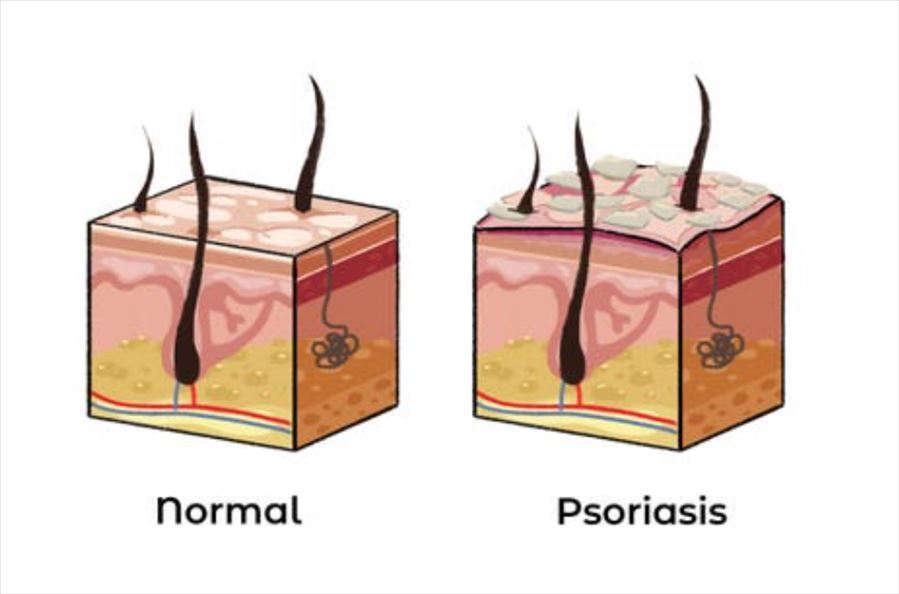
Overview
Today we comprehensively dissect psoriasis animal models to advance research and clinical understanding of this disease.
Background on Psoriasis
1 The pathogenesis of psoriasis results from the combined effects of genetic, immune and environmental factors. Its main pathological characteristics are listed as follows:·Abnormal proliferation and differentiation of the epidermis:
Acanthosis
Parakeratosis accompanied by thinning or loss of the granular layer
Munro’s microabscesses
·Dermal lesions:
Capillary dilatation and angiogenesis
Inflammatory cellular infiltration
2 Although psoriasis cannot be completely cured at present, a variety of mature therapeutic regimens are available to effectively manage disease symptoms.
Major therapeutic drugs are categorized as follows:
·Topical therapy (dermatological preparations for external use)
Glucocorticoids
Vitamin D₃ analogues: e.g., calcipotriol, which regulates keratinocyte proliferation
·Systemic therapy (oral or injectable agents)
Conventional oral medicines: methotrexate, cyclosporine, acitretin
Targeted therapeutics (current first-line mainstream treatment): biologics and oral small-molecule drugs (apremilast)
Introduction to Psoriasis Animal Models
Psoriasis animal models serve as core research tools for investigating the pathogenesis of psoriasis and evaluating the pharmacodynamic efficacy of novel drugs. Their primary merit lies in the high-fidelity recapitulation of key pathological hallmarks of human psoriasis, enabling efficacy verification for all types of therapeutics ranging from topical preparations to biologics.Imiquimod (IMQ)-Induced Model (the most widely adopted model):Psoriasiform lesions are induced by topical administration of IMQ cream onto the dorsal or auricular skin of laboratory animals.
·Advantages: Straightforward operation, short modeling cycle (5–8 days in general), excellent experimental reproducibility. This model faithfully recapitulates typical manifestations of human psoriasis including erythema, silvery scales, epidermal hyperplasia and inflammatory cellular infiltration.
·Applications: Widely applied in preliminary pharmacodynamic screening of anti-inflammatory and topical drugs, as well as mechanistic research exploring the regulatory roles of specific genes in cutaneous inflammation.
Psoriasis animal models established at Kesis Biotech are listed as follows

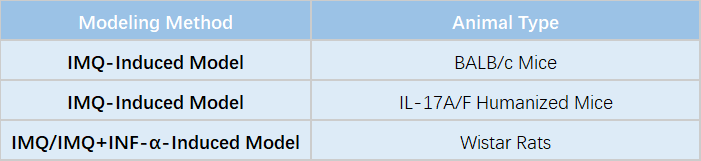
IMQ-Induced Psoriasis Models
Case Sharing of Pharmacodynamic Efficacy Evaluation
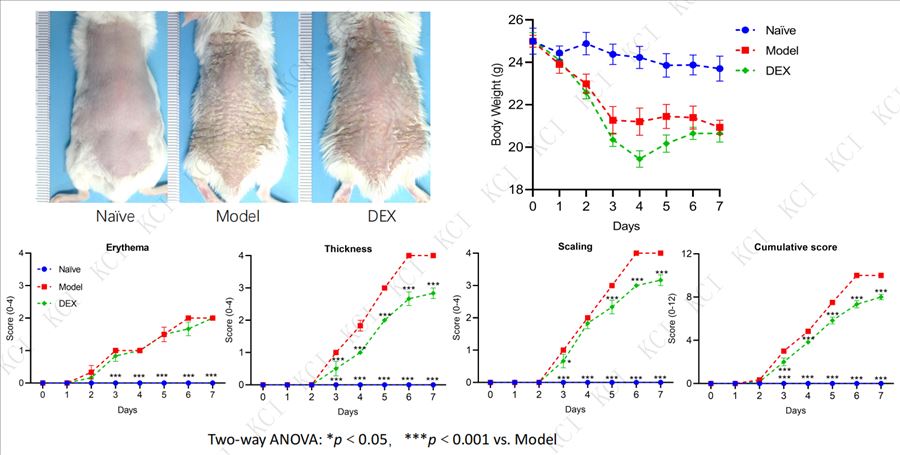
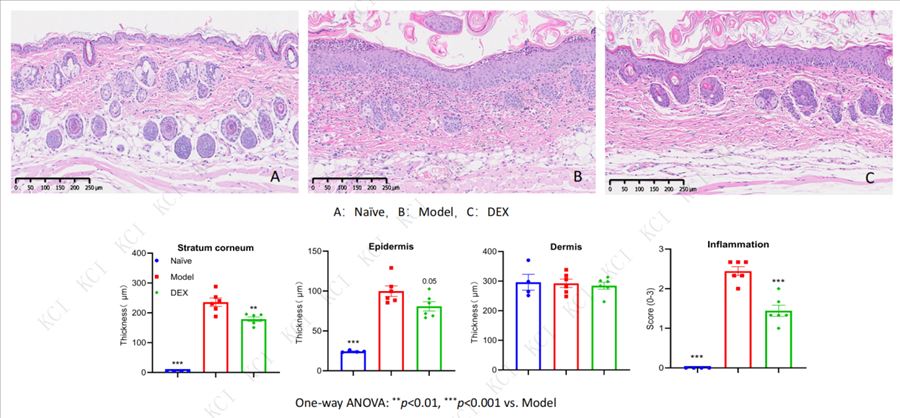
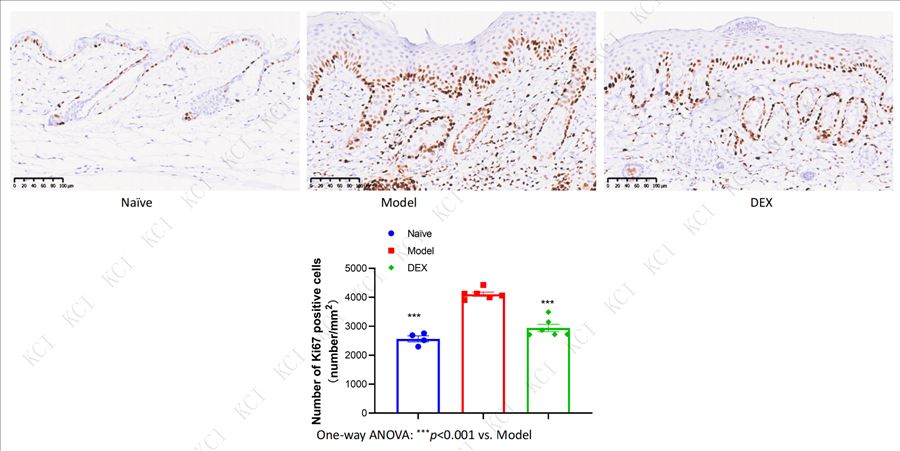
01 Pharmacodynamic Assessment of Dexamethasone in IMQ-Induced Psoriasis Model of BALB/c MiceDetected Indicators:
·Macroscopic photographs of skin lesions + PASI (Psoriasis Area and Severity Index) scoring
·Skin histopathology: hyperkeratosis, epidermal hyperplasia and inflammatory infiltration
·Proliferation of epidermal basal cells in lesional tissue
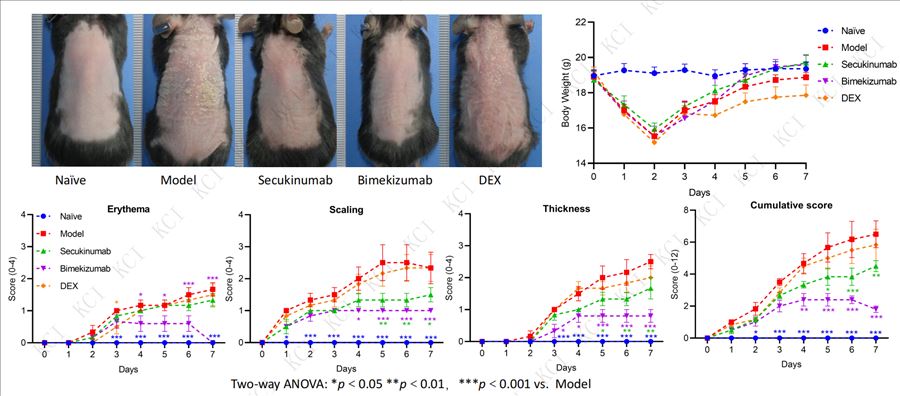
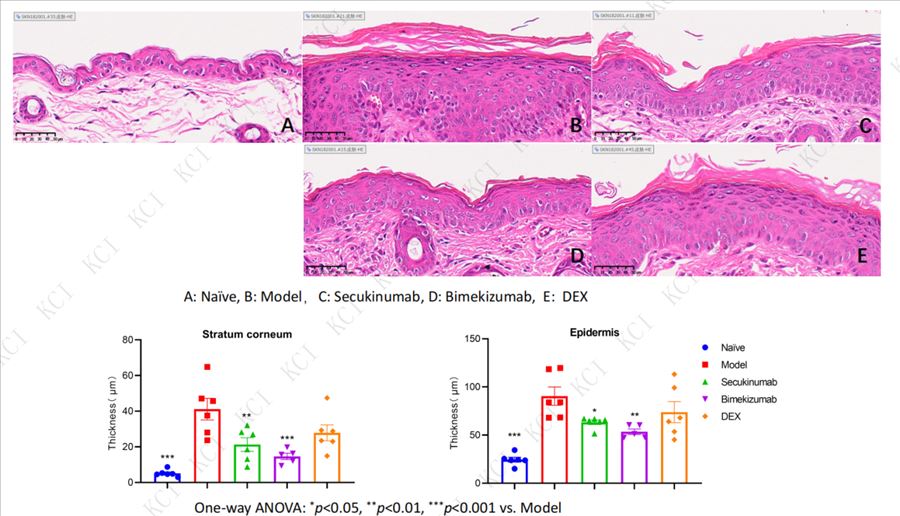
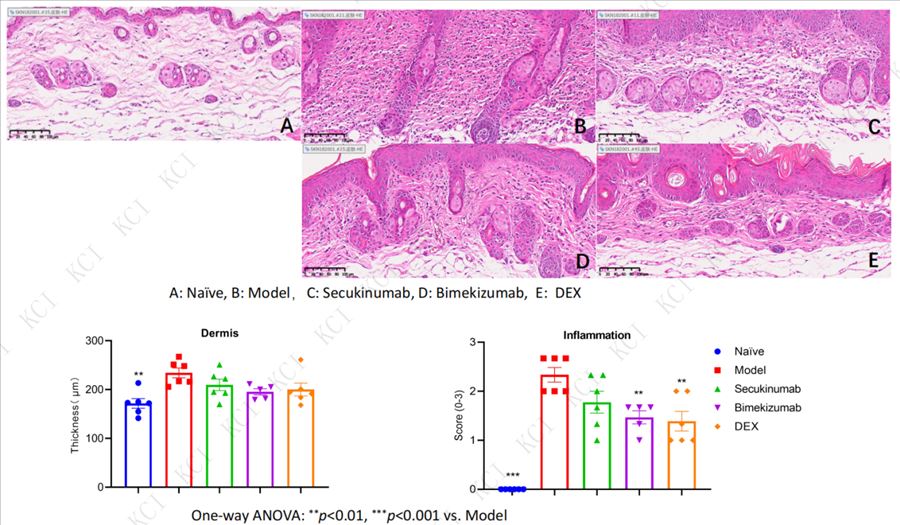
02 Pharmacodynamic Assessment of Dexamethasone in IMQ-Induced Psoriasis Model of IL-17A/F Humanized Mice
Detected Indicators:
·Macroscopic photographs of skin lesions + PASI (Psoriasis Area and Severity Index) scoring
·Skin histopathology: hyperkeratosis and epidermal hyperplasia
·Skin histopathology: dermal thickening with inflammatory cellular infiltration
·Proliferation of epidermal basal cells in lesional tissue
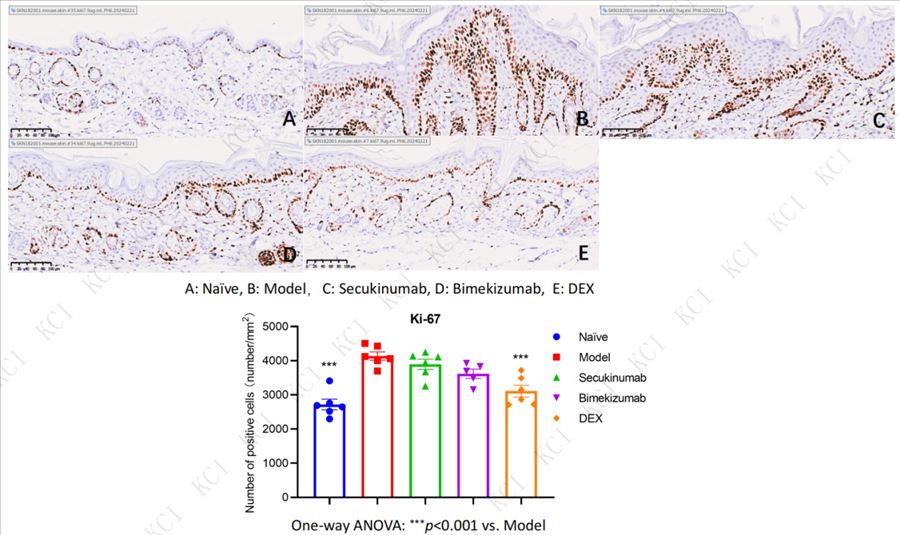
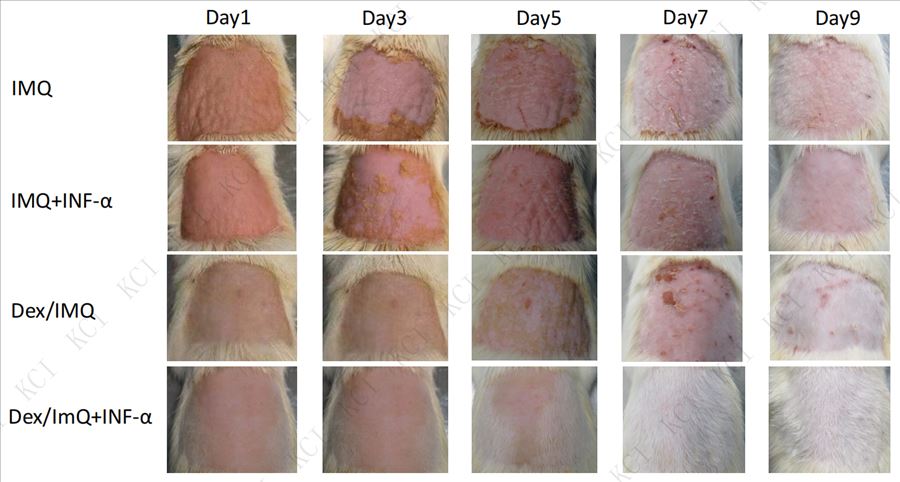
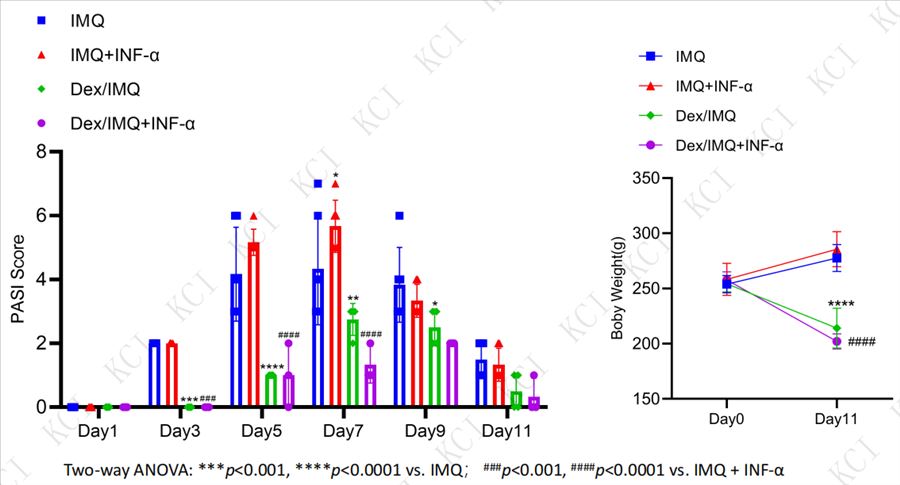
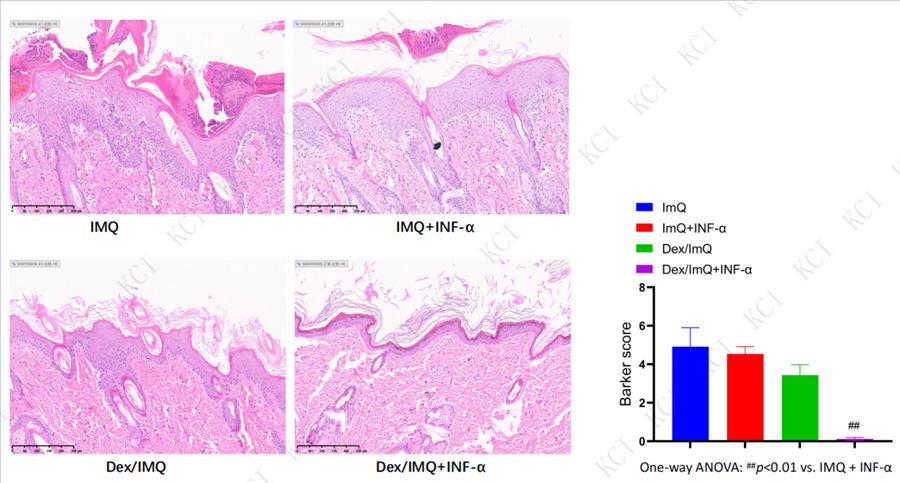
03 Pharmacodynamic Assessment of Dexamethasone in IMQ-Induced Psoriasis Model of Wistar Rats
Detected Indicators:
·Macroscopic photographs of skin lesions + PASI (Psoriasis Area and Severity Index) scoring
KCI・KMQ Pharmacology & Efficacy Evaluation Platform for Cutaneous Diseases
The KCI・KMQ pharmacology and efficacy evaluation platform for cutaneous diseases maintains a comprehensive portfolio of animal disease models, with abundant accumulated project experience to meet diversified research demands. To date, the company has established extensive long-term collaborative partnerships with numerous leading pharmaceutical enterprises and research institutions worldwide, laying a solid foundation for innovative drug discovery.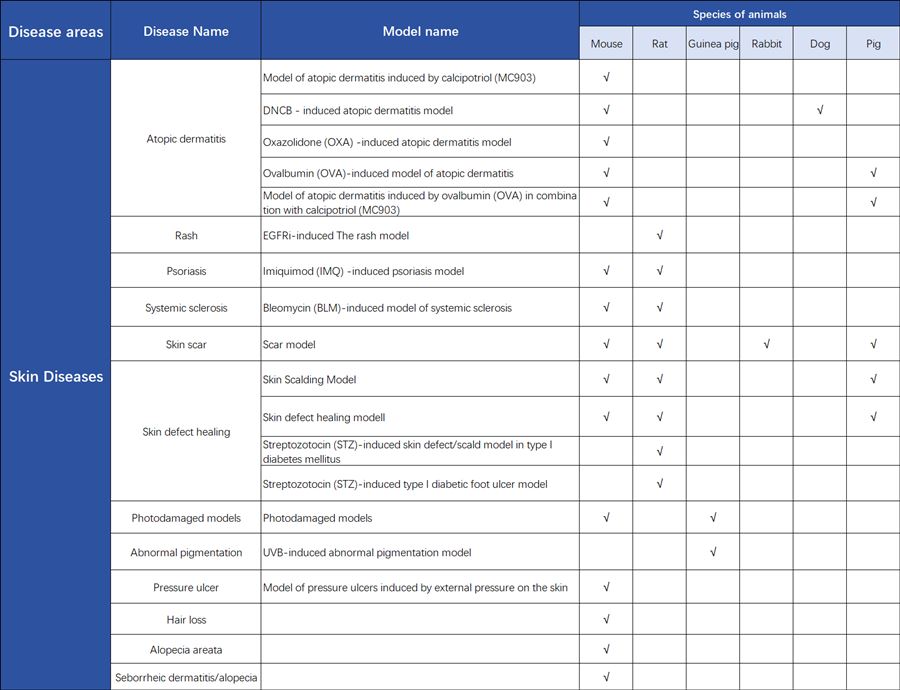
Conclusion
The successful establishment of standardized psoriasis animal models acts as a critical bridge linking basic research and clinical translation. Their stable, reproducible pathological phenotypes deliver robust experimental support for research on psoriasis pathogenesis, new drug development and clinical medication safety assessment.KCI・KMQ animal disease models play a pivotal role in this field. Supported by professional model construction and standardized evaluation systems, we continuously provide powerful technical backing for research institutes and pharmaceutical manufacturers, accelerating the translational progress from fundamental mechanistic research to therapeutic breakthroughs in dermatology.If you require detailed experimental protocols for any of the above models, please leave a comment, and we will respond promptly with full documentation.